


Health and Well Being, Weight Management
The scientific approach to weight loss - About Health | Blog
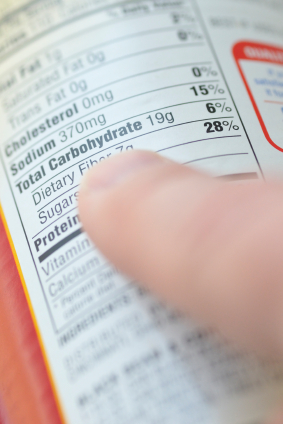
The focus of the last hundred years (as far as diet was concerned) was about adding physical size and the easiest way to get that size was to eat lots of carbohydrates. The focus was not so much on the quality of the food, but the amount (as measured in calories or kilojoules). By eating more food, there is no doubt that humans grow bigger and taller, but we have also become much fatter. I tend to think today that the reason we are encouraged to consume the volumes of carbohydrates we do, is because it’s the only way to feed 6 billion people living on the planet. Foods like steak and fish are a lot more expensive than bowls of rice or potatoes.
This increase in girth meant that high profile celebrity fronted weight loss programmes became big business. Although there have been changes, the focus historically was on reducing the overall energy intake (calories and kilojoules). Then, along came Dr Atkins and his brilliant observation; that it wasn’t the fats that were making us fat (as we had been taught) it was the carbohydrates. He created the Atkins diet, which became a mega selling book and later a range of pre-packed food as well. The diet worked very well, but his approach was a bit too extreme for most people to stick to long term. From this low carb concept came other, more balanced approaches that encouraged a certain amount of carbs in the diet (such as The Zone and Paleo diets). Humans have been in our modern anatomical form for around 200,000 years. For the vast majority of this time we were were hunter gatherers. Our ancestors hunted for meat and foraged for all manner of wild plants. Meat and fat were prized, as they provided the most energy, and energy was everything when trying to survive with no supermarkets. The first plants mankind farmed were wild varieties and quite different to the domesticated varieties we get today. In today’s world, we are only able to consume the quantities of carbohydrates we do due to the invention of intensive agriculture. It is in my opinion that human evolution has been unable to keep up with our move to a carbohydrate dependent diet. Because of this, westerners have become increasingly obese. Our carbohydrate addiction could quite rightly be labelled the elephant in the room. Few in government are prepared to address it, probably for many reasons, politicisation, perceived lack of solutions or the fact sugar just makes things taste good.
So the whole point of this article? How exactly do you lose weight?
Eat fewer carbohydrates. Try and reduce most of the white ones, bread, rice, pasta, potatoes, and especially added sugar (including alcohol). Rather than not eat them altogether, try cutting back to half. If you would normally have two potatoes, try eating just one. If you go out and have a burger and fries, try half the fries and leave the top bun off the burger. Replace some of your breakfasts with eggs, try omelettes; they will keep you going longer than cereals. Minimise carbs and boost your protein intake at lunch time if you wish to reduce that 3pm nap attack. Don’t worry about fats, except avoid the ones that deep fried foods are cooked in. Other fats can be healthy, such as Olive Oil, Coconut Oil, Avocadoes and Nuts, all of which can help to boost mental performance. Of particular note is oily fish (Salmon and Tuna), the DHA in fish oil is a major structural component in our brains, and low levels are associated with all sorts of mental issues (depression, neurological decline, memory issues). My goal with this article is not to create a new diet, just to give a couple of simple pragmatic tips for weight loss, and it is all about the carbs. Atkins was right, a bit extreme, but right. It’s OK to eat carbs, and there are slightly different approaches to which carbs to eat and when. I believe that we should keep our vegetable intake high in general (especially all the brightly coloured ones), but just try to reduce the bulking carbohydrates that tend to go hand in hand with our meals. By following this, very simple approach you should lose weight. Logic suggests that if you are a constant weight now, and overweight, if you reduce food you will lose weight. The trick is knowing what food to reduce, and the ‘bulking’ carbs is the answer. Fats and protein will keep you feeling full for much longer than carbohydrates, so, if you want to stick at something…you are not going to do it if you feel hungry all the time, therefore, fats and protein is not the part of your diet to cut back on.
What science says about weight loss
Firstly, there are many studies that demonstrate that lower carb dieters lose a lot more weight than people on low fat diets. Of greater interest was a very recently published study funded by the US National Institute of Health. In the study 21 obese adults were put on either a low carb diet (similar to the Atkins) a low fat diet or a low glycemic index diet. The dieters had all their meals prepared, and each of the diets had the exact same number of calories. The low carb dieters lost the most weight, low glycemic index were second and low fat lost the least weight. It is important to note that a low glycemic diet is similar to the low carb diet, but some grains are added, like old fashioned oats and brown rice, carbs that digest slowly. This is a very interesting finding, because traditional nutritionists will tell you that a calorie is a calorie, and that all diets with the same energy intake should have yielded the same weight loss. But they didn’t. Participants burned around 300 calories per day more on the low carb diet, 150 calories per day more on the low glycemic index diet. This shows that you can get better metabolic effects from a lower carb diet. Weight loss is much more complex than simply calorie counting. Of course exercise will only help with your journey. Weigh and measure yourself regularly, but don’t worry about the speed of weight loss, it’s the direction that’s important. Most importantly, do not be concerned if you have a splurge day. This is the bain of many dieters; they think their diet is ruined if they do. It is not, it will just affect the speed of your weight reduction, in short, it’s no big deal. Good Luck! Daniel King MSc (hons)
About the Author

We use a variety of authors from both naturopathic and medical backgrounds. We also have in house researchers that compile the latest information into an easily digestible format.
Find us


Topics
Write a comment
2 Comments